Your racket grip is one of the most overlooked pieces of equipment in racket sports, yet it has a massive impact on your comfort, control, and overall performance. Whether you play tennis, padel, pickleball or squash, a worn-out grip can cause slipping, blisters, and inconsistent shots.
Many players wait too long before replacing their grip. Resulting in poor racket handling and unnecessary strain in the wrist and forearm. So how often should you actually replace your grip?
Why Your Racket Grip Matters More Than You Think
Your grip is the connection between you and your racket. When it’s fresh, your racket feels secure in your hand and your swing feels relaxed. When it’s worn, you’re constantly fighting it.
A good grip helps you:
- Keep control when you’re sweating
- Avoid twisting or slipping on impact
- Reduce blisters and hot spots
- Stay relaxed through long rallies
- Prevent extra strain in the wrist and forearm
When your grip starts going smooth, most players automatically grip tighter to compensate. That extra tension is one of the quickest ways to lose feel and timing, and it’s also how a lot of forearm issues start.
How Often Should You Replace Your Racket Grip?
There’s no exact number that fits everyone, but we can give you a solid guideline based on how much you play.
If you play 1–2 times a week
You should usually replace your grip every 4–8 weeks.
If you play 3–5 times a week
You’re looking at replacing it every 2–4 weeks.
If you play most days, or compete regularly
Realistically, you’ll need a fresh grip every 1–2 weeks, sometimes even more depending on heat and sweat.
And if you’re someone who sweats a lot, you already know the answer, you’ll go through grips quicker than your friends or team mates do.
Base Grip vs Overgrip: What’s The Difference?
Base Grip
This is the thicker grip already on the racket. It’s designed mainly for comfort and cushioning.
For most players, base grips should be replaced every 3–6 months, depending on how often you play.
Overgrip
An overgrip is the thin layer wrapped on top. It’s there for feel, traction, and sweat absorption.
Overgrips should be replaced every 5–15 hours of play.
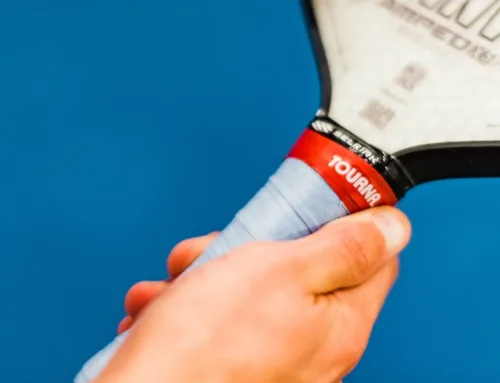
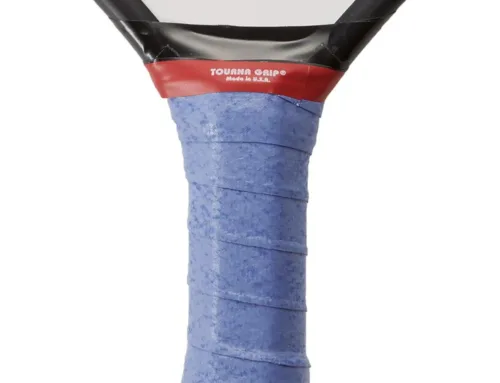
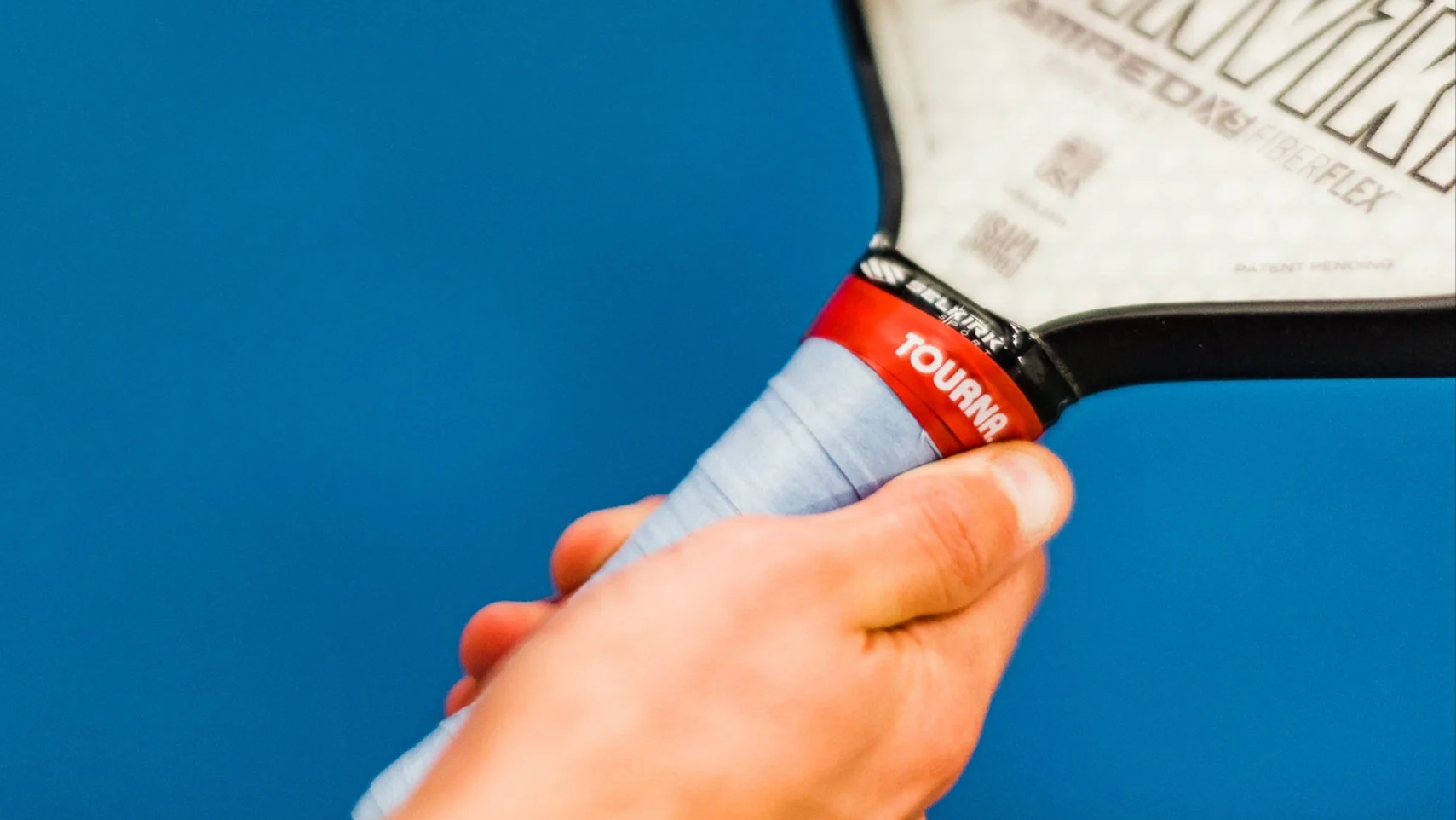
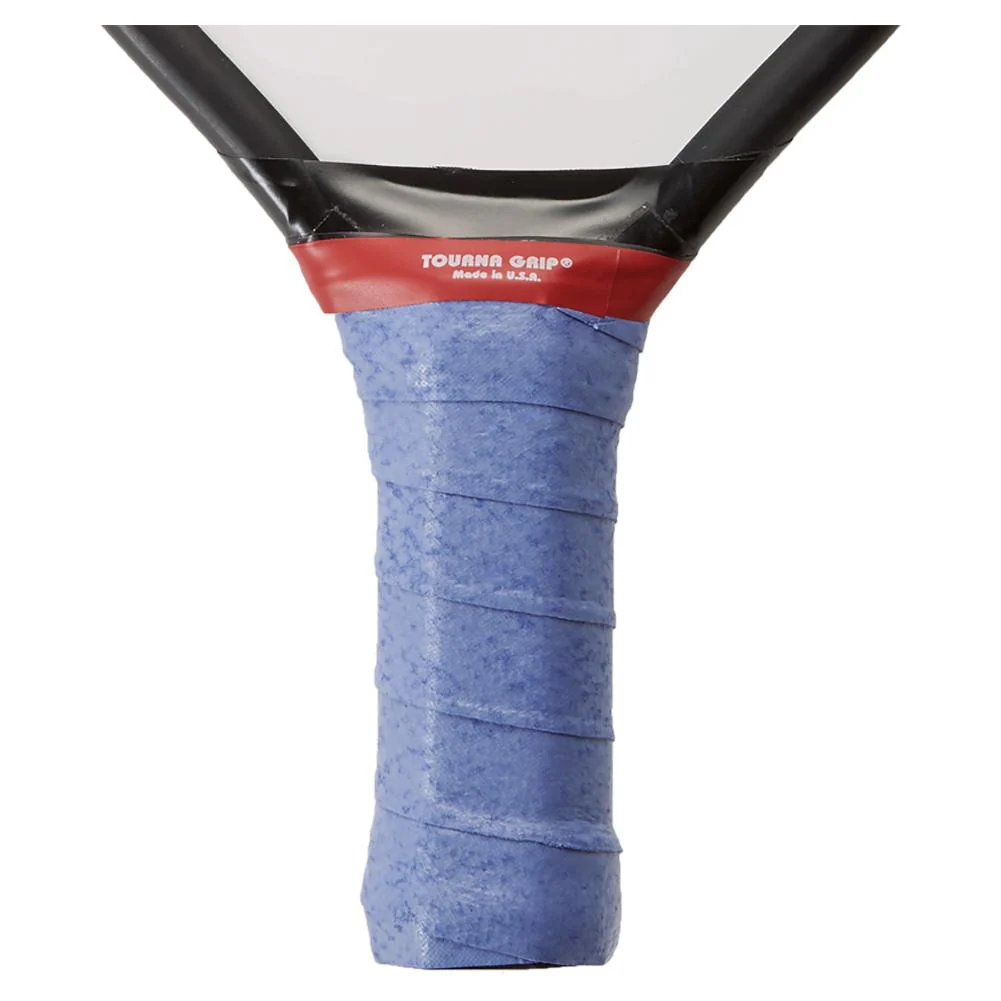
If you play regularly, an overgrip is the easiest way to keep your racket feeling fresh without constantly replacing the base grip underneath. Many players use overgrips like Tourna Grip, especially if sweat is an issue.
Signs It’s Time To Replace Your Racket Grip
- Your Grip Feels Slippery
If your racket starts twisting in your hand, your grip is worn out or saturated with sweat.
- The Grip Looks Shiny or Smooth
A healthy grip has texture. If it becomes shiny, it has lost its grip performance.
- You’re Getting More Blisters
Blisters are a huge sign your grip is too worn or too hard.
- The Grip Smells Bad
Sweat builds up bacteria over time. If it smells unpleasant, it’s time to replace it.
- Tears, Peeling or Loose Edges
If the grip is physically breaking down, it will only get worse and affect your play.
- You’re Gripping Too Tight Without Realising
If your forearm feels sore after playing, you may be compensating for a slippery grip.
What Happens If You Don’t Replace Your Grip?
A worn grip doesn’t just feel uncomfortable, it genuinely affects your game.
You’ll usually notice:
- Less control on fast shots
- More vibration through the handle
- More tension in the wrist and forearm
- Higher risk of tennis elbow
- Less confidence in rallies and volleys
A grip is a small detail, but it’s one of the cheapest performance upgrades you can make.
How To Make Your Grip Last Longer
You can get more life out of a grip if you look after it properly.
A few simple tips:
- Keep a towel in your bag
- Dry your hands regularly during play
- Don’t store your racket in a hot car
- Keep it somewhere cool and dry
- Use an overgrip to protect the base grip
Heat and moisture are what destroy grips fastest, especially in summer or indoor venues.
Why Tourna Grip Is A Top Choice For Frequent Players
Tourna Grip has been a favourite for years for one simple reason, it’s made for players who hate that slippery feeling.
Unlike tacky grips that feel great for 20 minutes and then turn slick, Tourna Grip is designed to stay dry and actually works better once it starts absorbing moisture.
That’s why you’ll see it used across tennis, padel, pickleball, and squash. It’s a simple product, but it does exactly what it’s meant to do.
Change Your Grip Before It Costs You Matches
If your grip feels smooth, slippery, or uncomfortable, don’t wait until it ruins your session. Replacing it regularly keeps your racket feeling consistent, keeps your swing relaxed, and makes a bigger difference than most people expect.
It’s a small change, but it’s one of the easiest ways to keep your game sharp.
Shop Tourna Grip and other high-performance racket grips here: https://www.tourna.co.uk/product-category/original-tourna-grip/