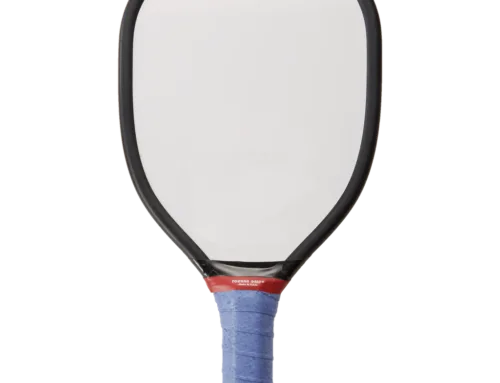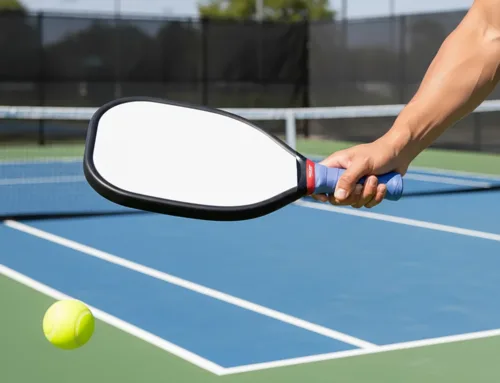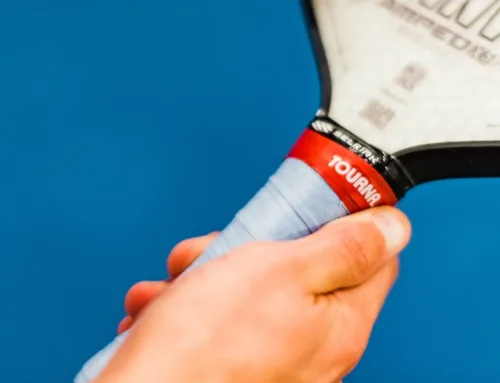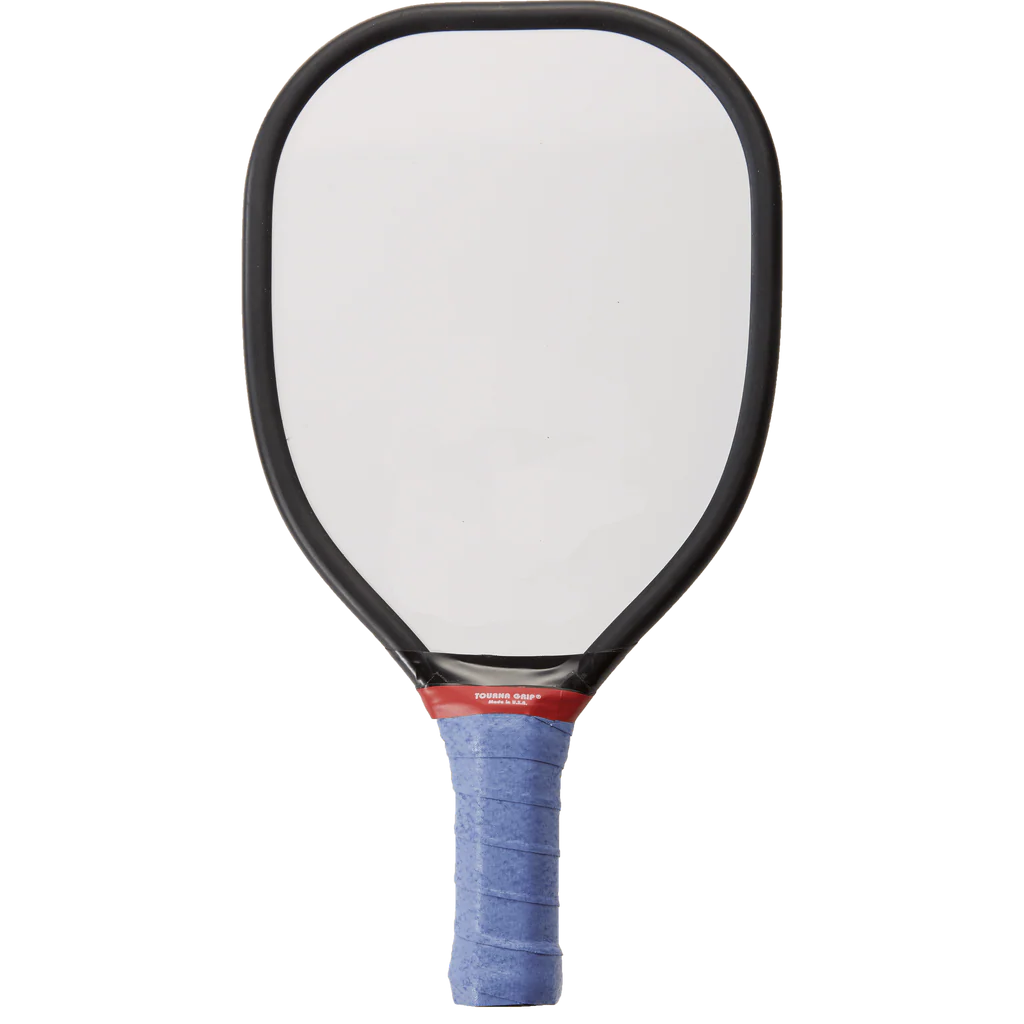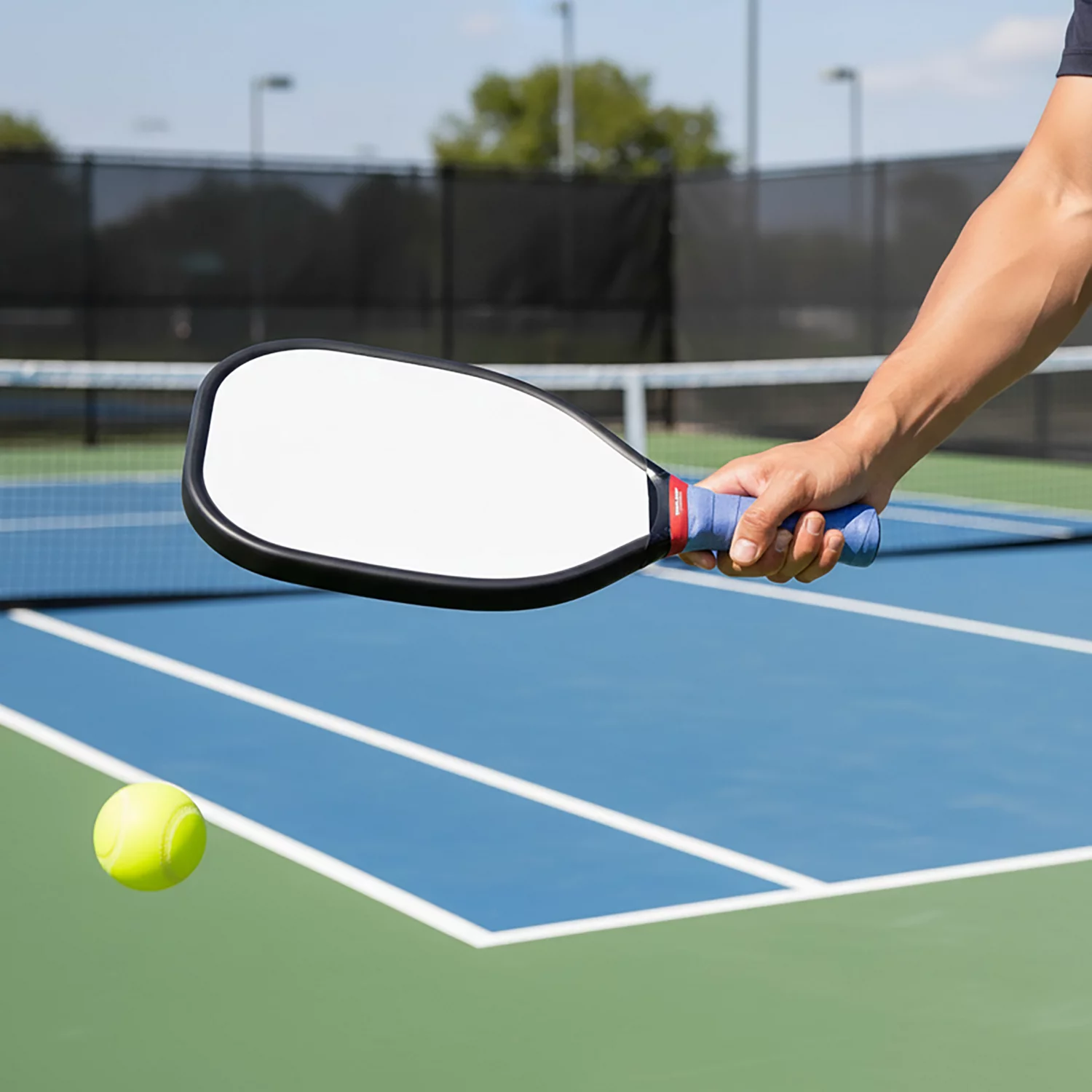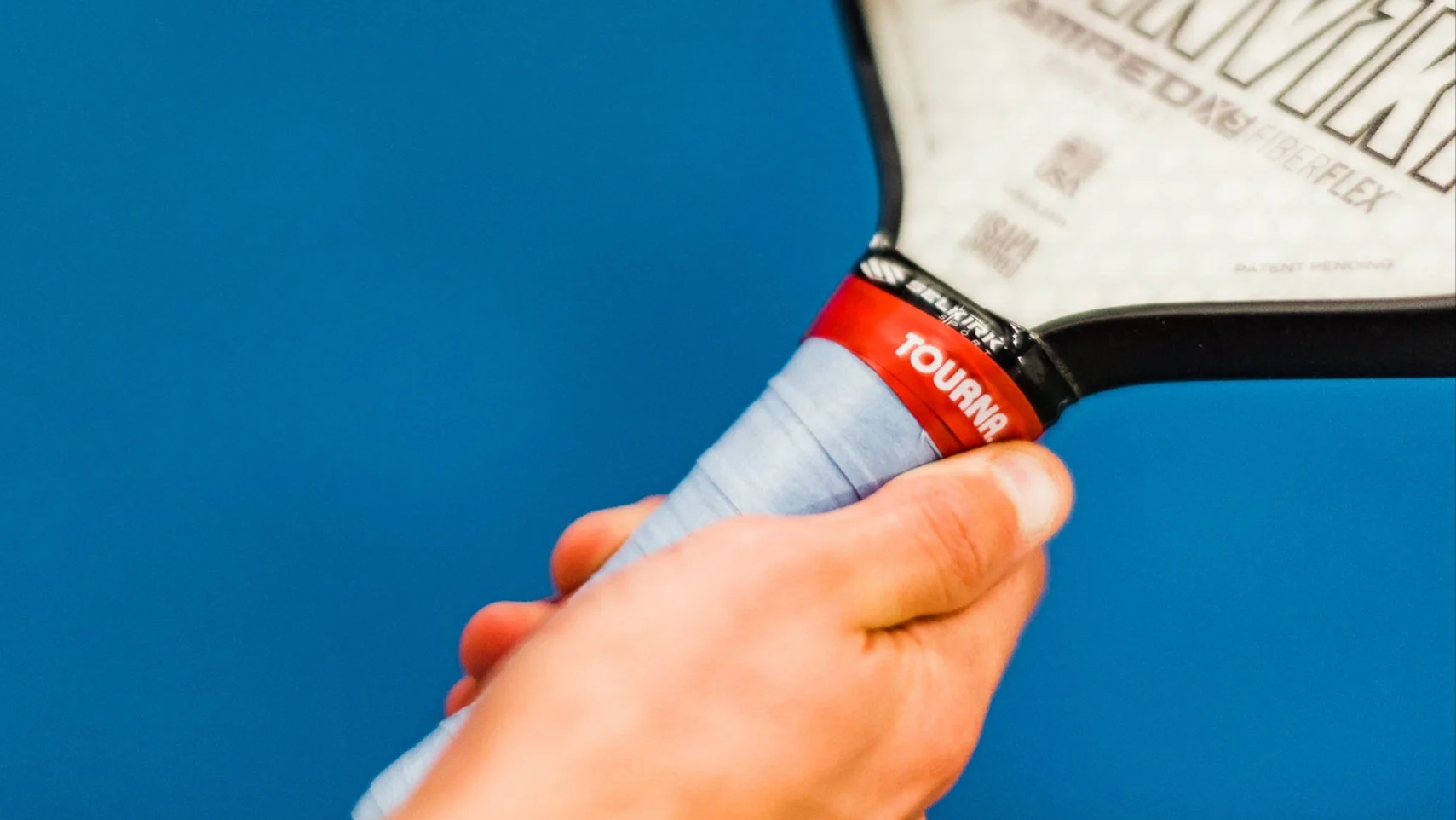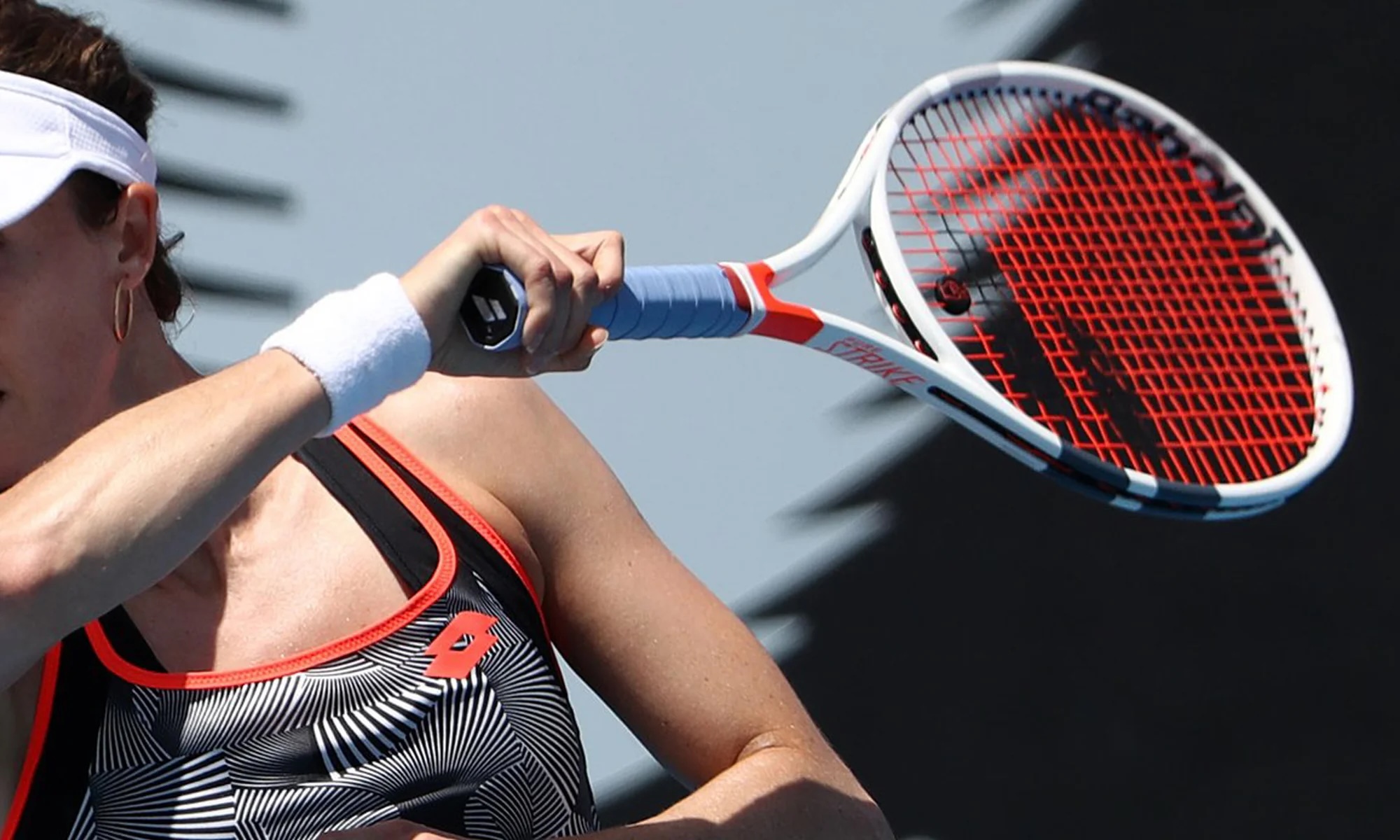
Replacing your pickleball paddle grip is one of the easiest ways to instantly improve your comfort, control, and confidence on the court. Over time, racket grips become worn, slippery, and flattened, which can lead to hand fatigue and less consistent shots.
Whether you are replacing the original grip or adding a fresh overgrip, this step-by-step guide will show you exactly how to re-grip your pickleball paddle properly!
Why You Should Replace Your Pickleball Paddle Grip
Your grip is the only part of the paddle you physically hold, meaning it directly affects how the paddle feels during every shot.
A worn grip can cause slipping, reduce control, and force you to squeeze harder, which leads to quicker fatigue and can even cause wrist or elbow discomfort. A fresh grip improves traction, absorbs moisture, and gives you a more secure feel during rallies.
What You Will Need
Before you begin, make sure you have:
- A replacement grip or overgrip
- Scissors
- Finishing tape (often included with grips)
- Optional, grip adhesive or double-sided tape
Many overgrips, including Tourna, come with everything you need.
Step 1: Remove The Old Grip
Start by peeling off the finishing tape at the top of the grip, then unwind the grip all the way down.
If there is leftover adhesive, remove it carefully so the handle feels clean and smooth. A clean handle helps the new grip sit properly without bumps or loose areas.
Step 2: Decide If You Are Using A Replacement Grip Or Overgrip
It is important to know the difference:
Replacement grip is thicker and designed to replace the base grip completely.
Overgrip is thinner and is wrapped over the existing grip to refresh feel and improve sweat absorption.
Most players use overgrips regularly and only replace the base grip occasionally.
Step 3: Start Wrapping From The Bottom
Most pickleball players start wrapping from the bottom of the handle and work upwards.
Place the tapered end of the grip at the base of the handle and begin wrapping tightly. Hold the grip firmly as you wrap to prevent air gaps and slipping later.
Step 4: Wrap At An Even Angle
As you wrap upwards, keep the overlap consistent. Most players overlap each layer by about 3 to 5mm.
This ensures the grip feels smooth and uniform. Wrapping too loosely can cause the grip to shift during play, while wrapping too tightly may feel uncomfortable.
Step 5: Adjust Thickness And Comfort As You Go
One of the advantages of regripping is being able to customise the feel.
If you want a thicker grip for extra comfort, overlap slightly more. If you prefer a thinner, more responsive feel, overlap less. Take your time here, because grip thickness can have a noticeable impact on control and wrist comfort.
Step 6: Finish At The Top And Secure It
Once you reach the top of the handle, cut the excess grip tape at an angle so it fits neatly.
Secure the top with finishing tape. Make sure it is wrapped tightly, as this prevents the grip from peeling during matches.
Step 7: Test The Grip Before Playing
Before taking it on court, hold your paddle and test the feel.
Make sure there are no loose areas, bumps, or gaps. Your grip should feel secure and comfortable without needing to squeeze too hard.
How Often Should You Replace A Pickleball Grip?
It depends how often you play, but most regular players replace overgrips every few sessions.
If your grip starts to feel slippery, flattened, or uncomfortable, it is time to change it. Replacing your grip regularly is a simple way to keep your paddle feeling fresh and reliable.
Upgrade Your Game With A Fresh Grip
Replacing your pickleball paddle grip is quick, affordable, and makes a huge difference to your performance.
With a quality overgrip like Tourna, you can improve sweat absorption, comfort, and control, helping every shot feel more consistent. Combined with premium paddle accessories from Kingswood, a fresh grip keeps you ready for every match.